Doctor Stik's Sharing Corner
Why Certain Chapters of Life Feel Like You Are Working Against Yourself
Former M.D. · Author of 4 Books · Ex-Director, IPPN · Applied Numerologist · Buddhist Practitioner
Before we get into what the Pinnacle Number is and how it is calculated, I want to share a real story of my client with you. This is about a man who built everything and then lost his footing and he thought it was mid-life crisis.
He came to me in his early fifties looking like someone who had spent thirty years winning and had recently, without any clear explanation, stopped knowing how to do it.
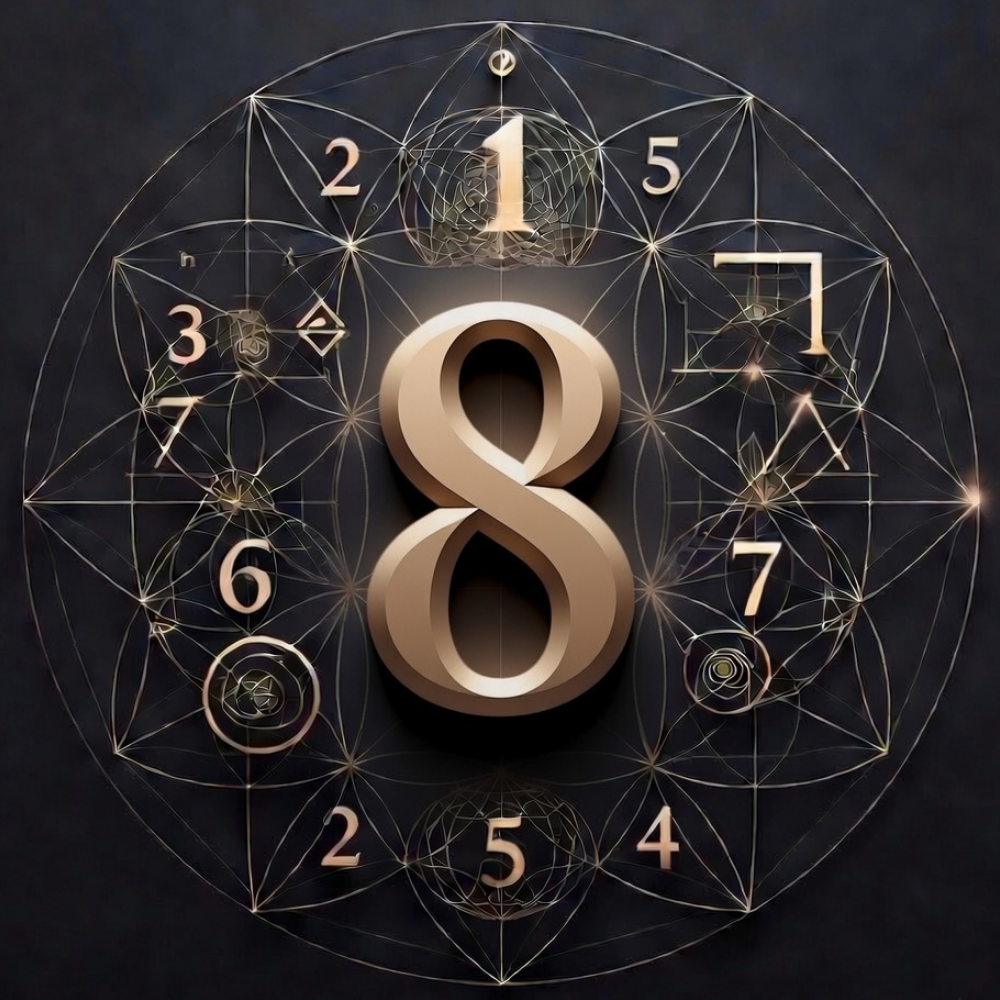
His professional history was genuinely impressive. He had built a significant business across his forties, the kind of visible, measurable success that produces a particular kind of confidence, the deep settled certainty of someone who has learned through repeated experience that their approach to the world works. He knew how to set a direction and drive toward it. He knew how to make decisions under pressure, how to read a room, how to project authority in a way that made people follow without being asked. These were not skills he had been taught. They were qualities that his Life Path 8 had always oriented him toward, and his Pinnacle 8, the long arc of his most productive professional chapter, had given him the conditions to develop them fully.
Then something changed gradually, over the two or three years before, he sat across from me, the approach that had always worked began producing different results. The drive that had powered everything felt like it was pushing against something that would not move. The decisiveness that had always felt like a strength began feeling, in quieter moments, like it was moving too fast past questions he had not yet asked. The external world, which had reliably rewarded his forward momentum for decades, seemed to have stopped responding to it in the same way.
He had tried working harder. He had tried changing his strategy. He had consulted people he respected professionally and implemented their suggestions. Nothing quite restored the momentum he had lost. And because he had no framework for understanding what was actually happening, he had arrived at the conclusion that most high achieving people arrive at when their approach stops working without explanation. He assumed something was wrong with him.
When I looked at his Pinnacle Numbers the picture was immediately clear.
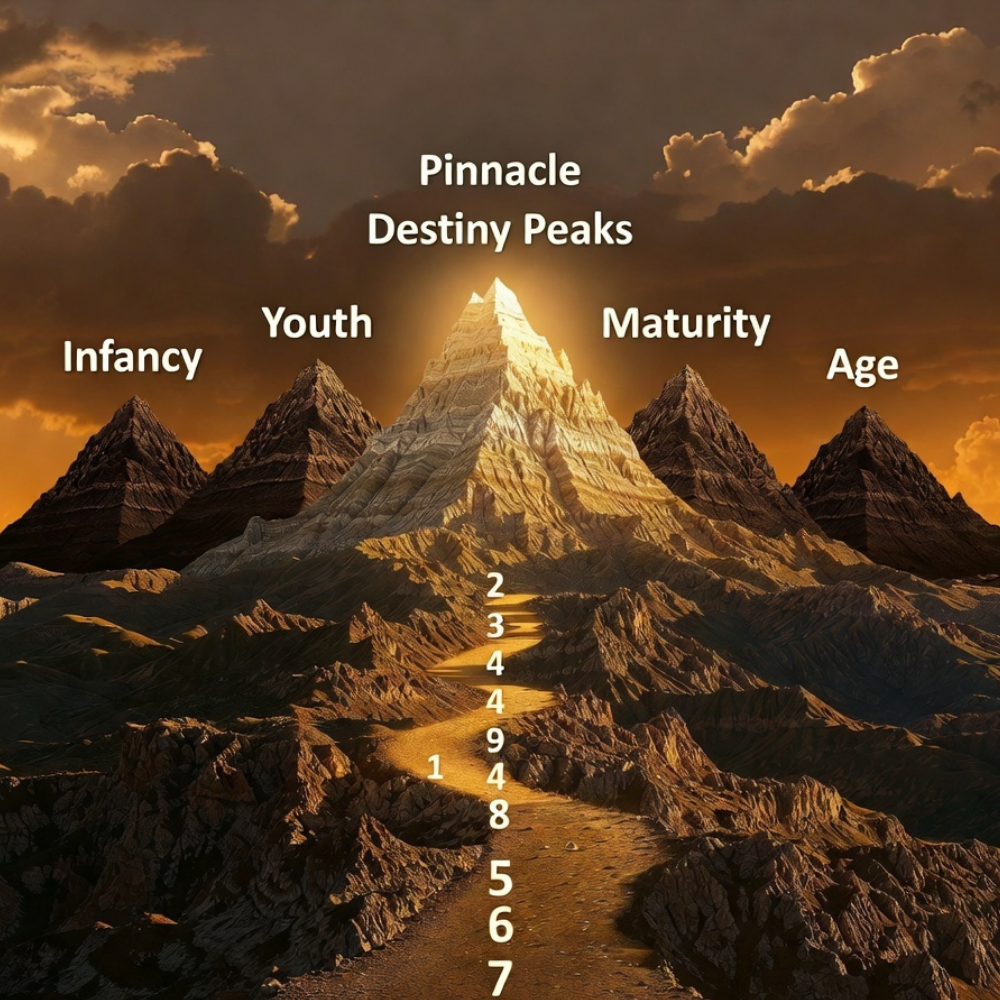
His first Pinnacle had been a 1, the phase of building personal identity, learning to trust his own direction, developing the independent confidence that everything subsequent would stand on. His second Pinnacle had been an 8, the most externally productive phase in the entire Pinnacle sequence, and the one most naturally aligned with his Life Path 8 energy. Those two phases working together had produced exactly the man sitting in front of me. Someone who knew who he was, knew what he was building, and had the track record to prove that his approach worked.
His third Pinnacle, the one he had recently entered, was a 7.
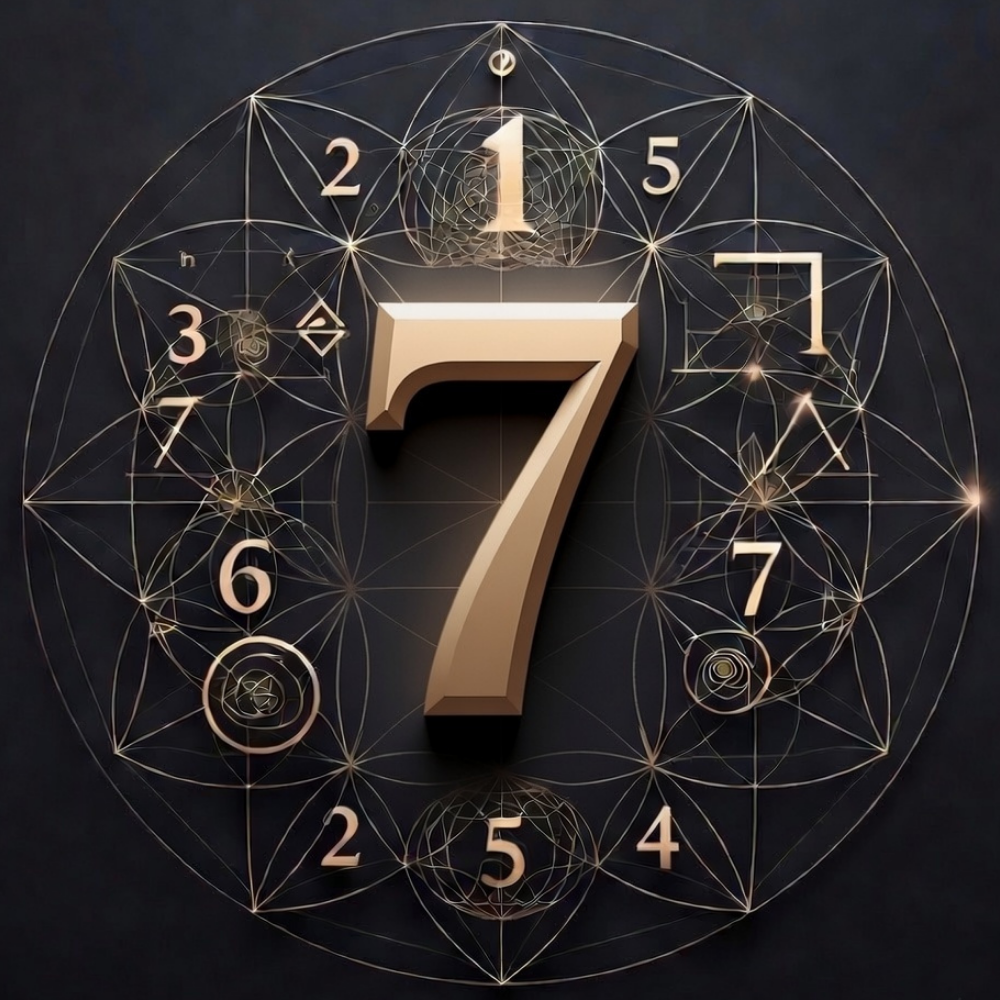
The Pinnacle 7 is the most inward facing phase of the entire sequence. Where the Pinnacle 8 rewards external action, visible results, and strategic forward movement, the Pinnacle 7 asks for something almost opposite. Solitude. Deep reflection. A genuine questioning of the foundations underneath everything that has been built. Not to tear it down, but to understand whether it was built on the right ground and whether it is still genuinely aligned with what the person actually wants from the chapter ahead.
For a Life Path 8 who has just come through a Pinnacle 8, this transition is one of the most jarring in the entire system. Everything the Pinnacle 7 asks for is the opposite of what the previous phase rewarded. Pushing harder produces less. Visibility and external momentum feel hollow in a way they never did before. The strategies that built the success of the 8 Pinnacle are genuinely not the right tools for the terrain of the 7 Pinnacle, and no amount of discipline or effort will make them work the way they used to.
What the Pinnacle 7 was asking of him was not to stop. It was to deepen. The self-knowledge, the inner clarity, the understanding of what he actually wanted from the final chapter of his professional life rather than what he had always assumed he wanted, that was the work of this phase. And it was work that could not be done by driving forward. It could only be done by slowing down enough to let the deeper questions surface.
I told him that the loss of momentum he had been experiencing was not failure. It was the Pinnacle doing exactly what it was designed to do. The 7 phase withdraws the external rewards deliberately, not as punishment, but because the person needs to stop being rewarded for outward movement in order to finally turn their attention inward. A Life Path 8 who has been externally rewarded for three decades does not voluntarily go inward. The Pinnacle 7 creates the conditions that make going inward the only productive option available.
He sat with that for a long moment. Then he said something that told me the reframe had landed. He said: so the I need to change my goals and tools now for this phase.
That is exactly right. And once he understood which tools the phase was actually asking for, the quality of his engagement with that period of his life changed entirely. He started reading more deeply than he had in years. He started asking questions about his work that he had been too busy to ask during the decades of building. He started understanding things about his own motivations and his own blind spots that thirty years of external success had never required him to look at. None of it produced immediate visible results. That was not what the phase was for. What it produced was a clarity and a depth of self-knowledge that his final Pinnacle would be able to build on in ways that his previous chapters, for all their success, had never quite had access to.
So what this story tell us about Pinnacle number? This businessman who had built two decades of success was not losing his capability. He was entering a phase that required a completely different kind of capability than the one his previous Pinnacles had developed and rewarded. And once he understand that, he will understand what his life cycles expect from him and move through life much easier.
That is what understanding your Pinnacles does. It does not make the phases easier in the sense of removing their demands. It makes them comprehensible. And there is a specific kind of steadiness that comes from moving through a difficult or disorienting life chapter knowing that it has a shape, a purpose, and an end point, rather than experiencing it as a formless difficulty that simply has to be endured until something changes.
I have watched genuinely capable people spend years working harder at things that were not producing results, convinced the problem was their effort or their strategy. In many of those cases the problem was neither. They were simply using tools built for the previous chapter in a phase that was asking for something else entirely. Knowing which Pinnacle you are in does not make the phase easier. It makes the effort you invest in it considerably less wasted.